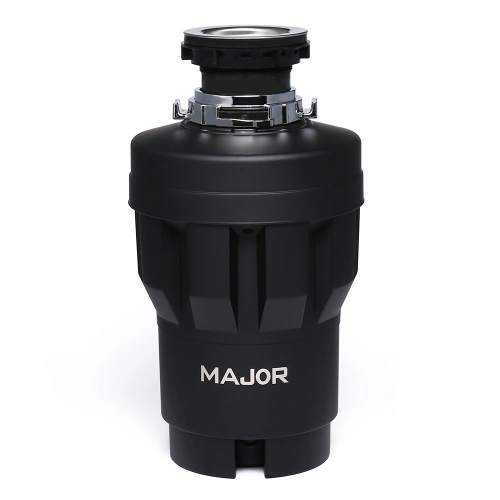
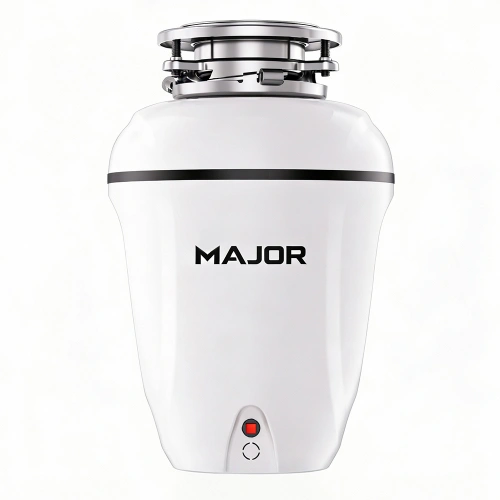
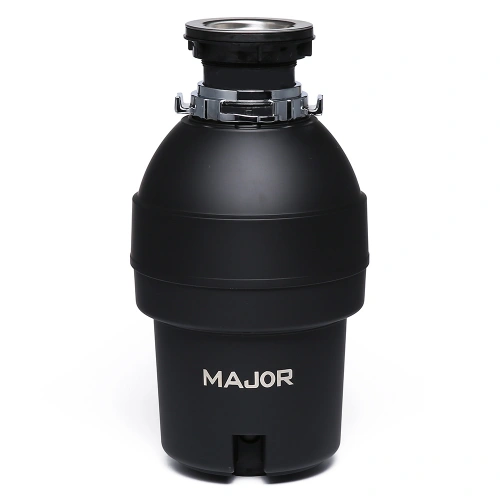
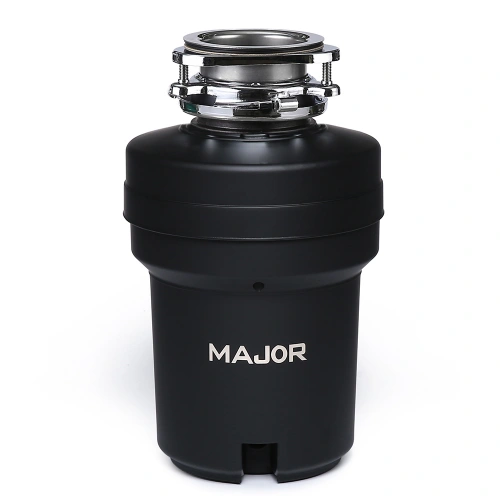
Selection Guide
How to Choose the Right DC Motor Food Waste Disposer
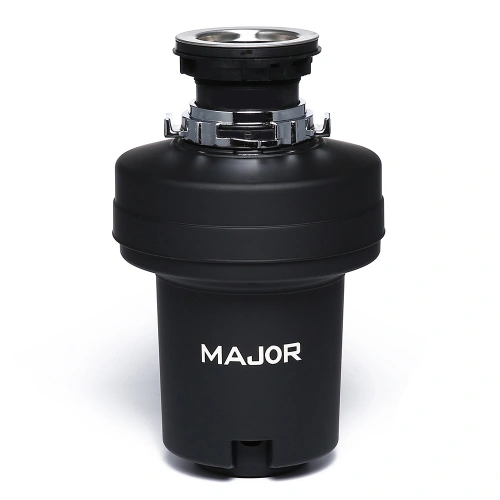
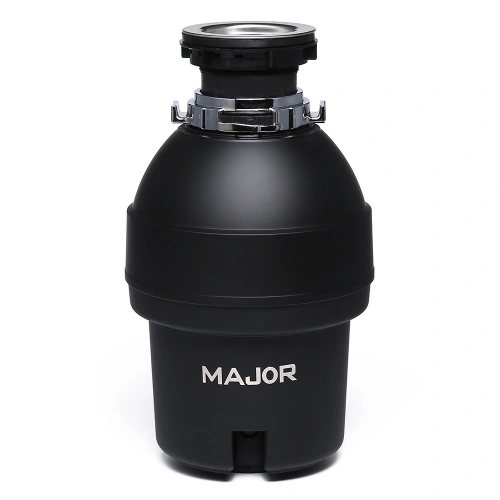
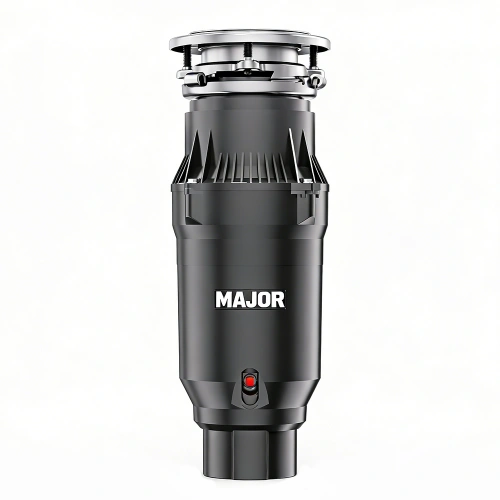
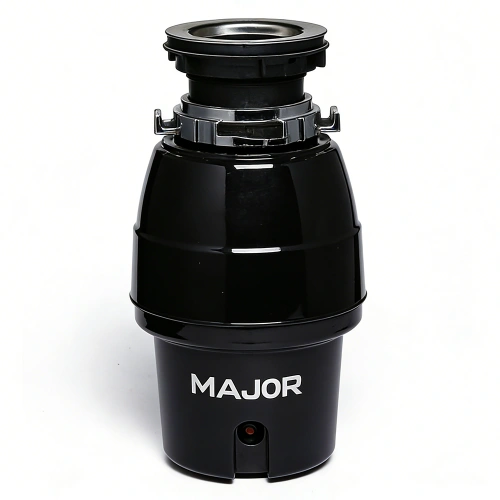
Use this guide to compare DC motor disposer configurations before reviewing individual models. Selection should consider horsepower, RPM range, voltage, mounting system, air switch configuration, accessory package, certification scope, and target market positioning.
Horsepower
1/2 HP vs 3/4 HP vs 1 HP DC Motor Disposers
1/2 HP
Entry-level household replacement, compact product lines, and price-sensitive distributor programs.
3/4 HP
Mid-range disposer series for buyers who want stronger performance without moving to a premium 1 HP position.
1 HP
Higher-power catalog positions, upgraded replacement programs, and premium private-label assortments.
Pick horsepower by price point, channel and how many models the range needs.
Motor Speed
How to Review RPM in DC Motor Garbage Disposals
2500–3000 RPM
General household disposal needs where balanced performance, cost, and product positioning are important.
3000–4000 RPM
Higher-speed product lines where anti-jam positioning and stronger specification comparison are needed.
Read RPM next to grind design, chamber, torque and the food-waste profile — not on its own.
Voltage
110–120V vs 220–240V Export Configurations
110–120V
Commonly selected for North American programs and other markets where 120V household kitchen appliances are required.
220–240V
Selected for export markets requiring higher-voltage household appliance configurations.
Lock voltage, plug type, certification, label and manual language per market before the SKU is final.
Mounting
3-Bolt Mount vs EZ Mount / Twist-Lock Systems
3-Bolt Mount
Replacement-oriented programs where compatibility with existing mounting habits is important.
EZ Mount / Twist-Lock
Programs positioned around easier installation, DIY replacement, or simplified distributor installation kits.
Mounting compatibility is especially important for replacement demand because users may want to replace the disposer without changing the full sink flange assembly.
Advanced Note
Do Not Source by Motor Type Alone
DC motor disposer sourcing should not stop at the motor label. Buyers should confirm horsepower, RPM range, grinding system, voltage, mounting system, noise-control design, power cord, air switch option, splash guard, stopper, flange, mounting kit, packaging format, and model-specific certification documents.
Mount matters most for replacement demand — users often want to swap the unit without changing the sink flange.